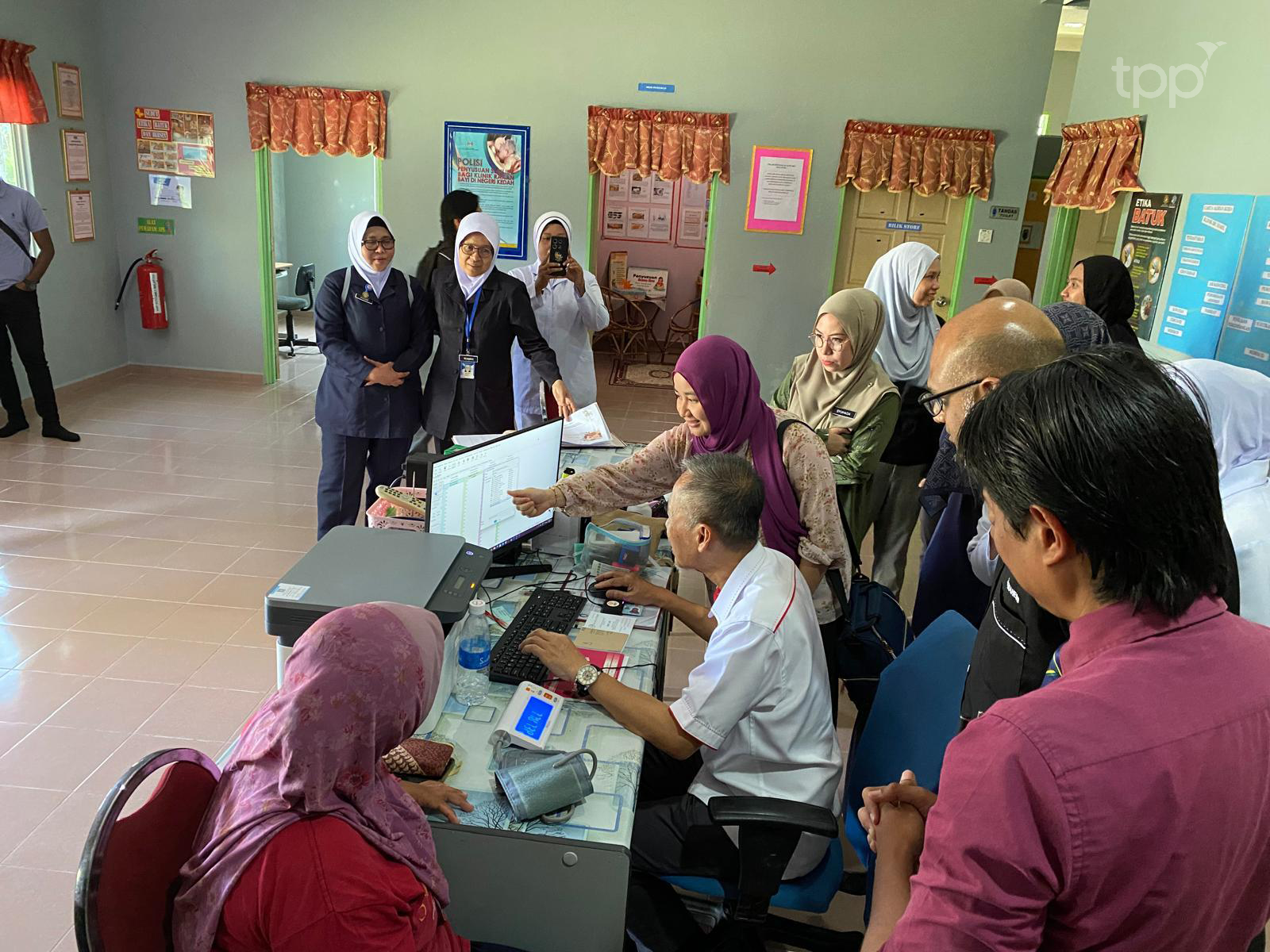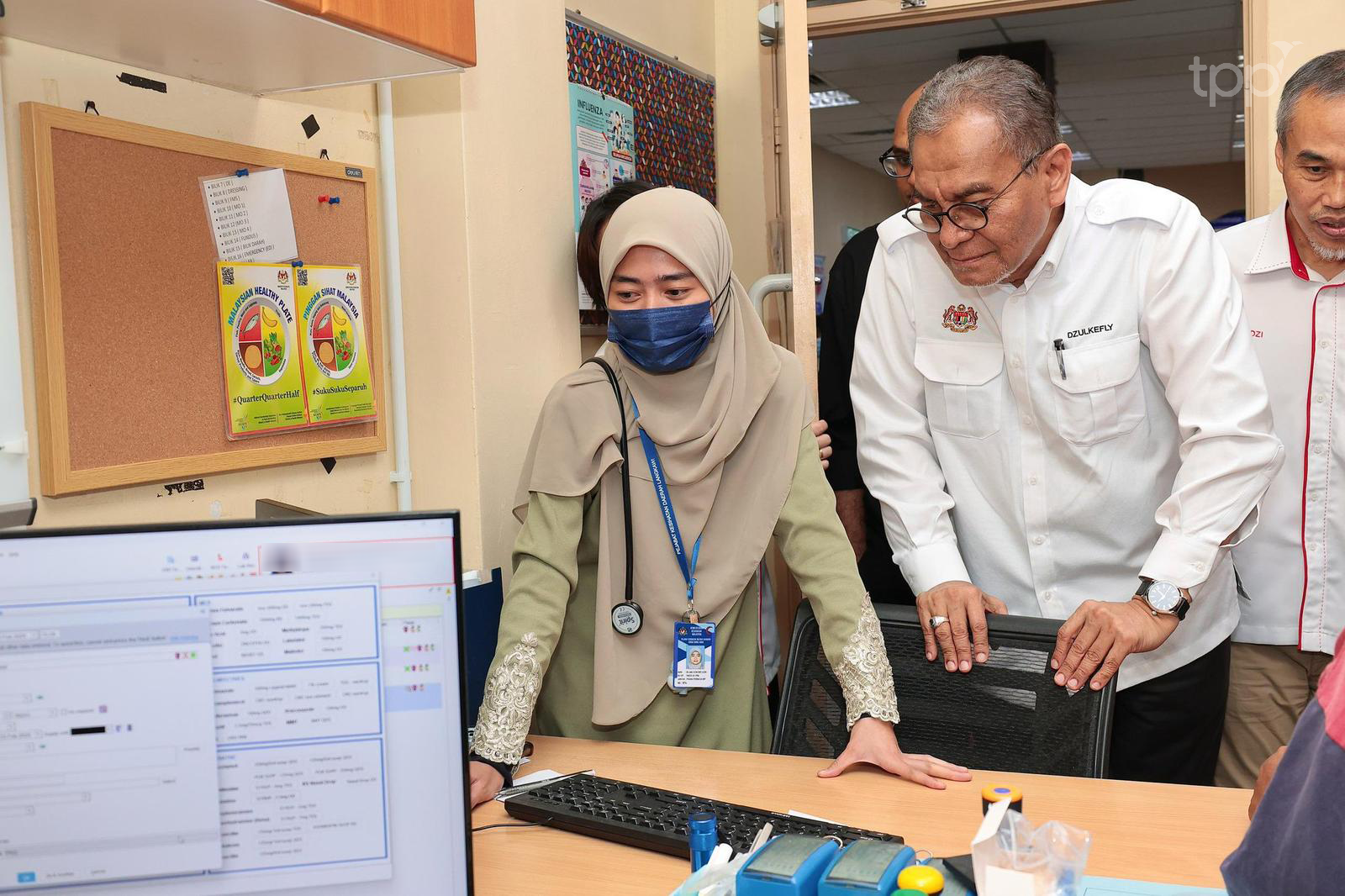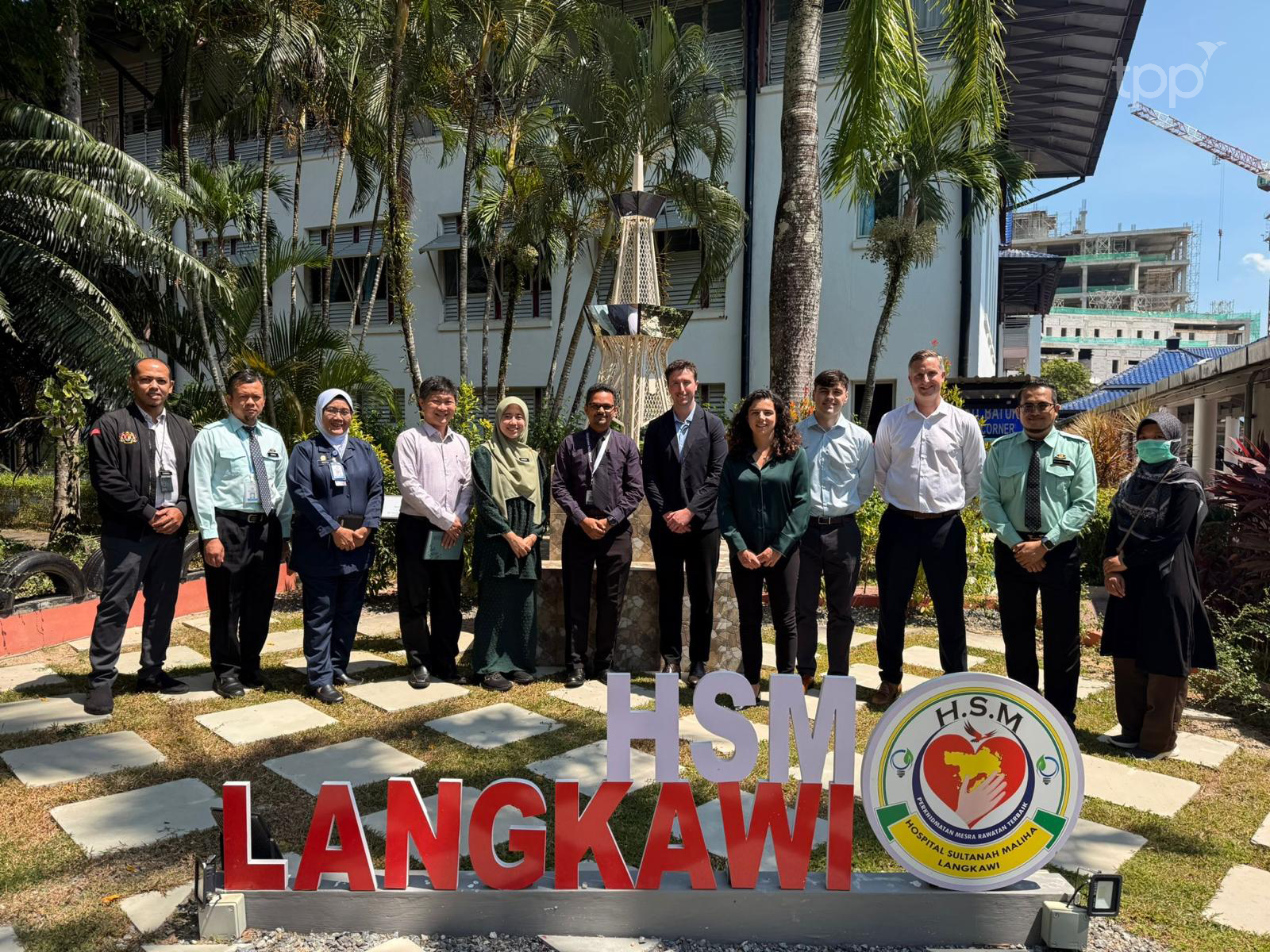
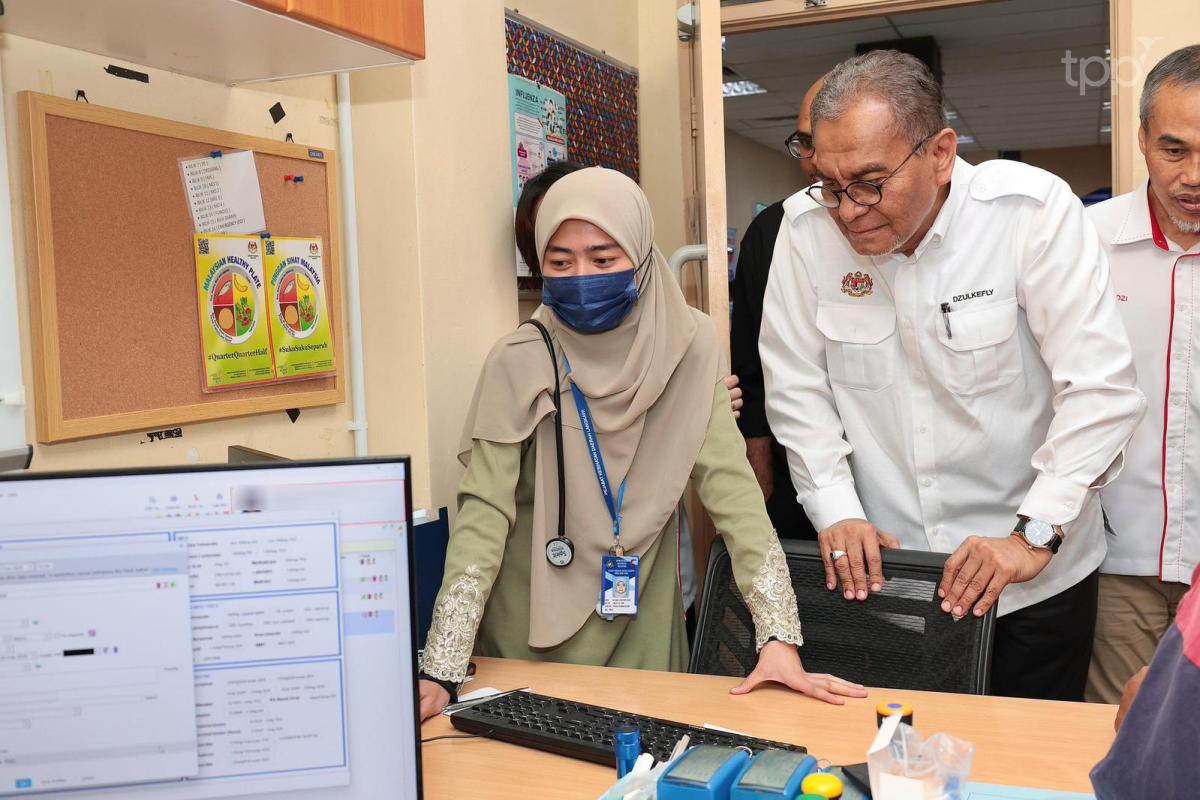
Regarding the full deployment of SystmOne in Langkawi, Malaysian Minister of Health Datuk Seri Dzulkefly Ahmad stated that nurses bear the heavy burden of record-keeping tasks, especially in clinics and health centers, where they need to record patient data and diagnosis information after providing care. The digital transformation has alleviated the administrative burden on medical staff, particularly nurses, allowing them to focus more energy on patient care. The Malaysian government is committed to ensuring that all people in the country can access efficient, accurate, and convenient medical services. In the future, it will continue to promote SystmOne to other regions, gradually covering medical institutions at all levels across the country.
The comprehensive deployment of SystmOne in primary medical institutions has significantly improved patients’ medical experience. According to statistics from Malaysia’s New Straits Times, the average waiting time for patients has been drastically reduced from the original 3 hours to only 30 minutes, and some patients can receive treatment in just 15 minutes. During visits to clinics in Sime Darby and Cheras, it was found that patients could complete registration, triage, and be called for consultation within 15 to 30 minutes, which has greatly improved the utilization efficiency of medical resources and reduced patients’ waiting anxiety.
Technologies such as artificial intelligence and machine learning in SystmOne provide clinical decision support for medical staff. By leveraging artificial intelligence algorithms, it enables early cancer screening, chronic disease management, risk stratification, etc., thereby improving the quality of clinical medical care.
In addition, SystmOne has also promoted the standardization of primary healthcare workflows and data. Users can create standardized workflow tools according to institutional needs and in combination with internationally accepted clinical scoring standards to achieve structured data collection. Through the establishment of standardized data input templates and questionnaires, it has promoted the standardization of service records in medical institutions.
Dr Hui-Chi Yeh,Director of Asia-Pacific of The Phoenix Partnership, stated that with the application of the SystmOne smart healthcare system, the level of medical services in Langkawi has reached a new height. With the support of technologies such as big data and artificial intelligence, Malaysia has achieved remarkable results in improving the quality and efficiency of medical services. This not only strengthens the health security of the people but also provides valuable experience for the construction of medical systems in other countries. In the future, smart healthcare will bring more convenient and efficient medical experience to patients worldwide and make positive contributions to the digitization of global medical services.